
The wider transport and PPP market in Zambia and SADC is akin to a vast, interconnected circulatory system. The Mutanda to Kaoma Project, which completes Zambia’s Western Corridor, is a major new artery, aiming to streamline the flow of vital resources (like minerals) and goods to and from key regional ports. This new artery doesn’t just replace old, inefficient routes; it integrates with existing and planned systems, to create a more robust and efficient network. The Government uses PPPs to attract private capital and expertise for these infrastructure projects, much like a city invites private developers to build and manage new districts, all while adhering to a master plan and strict regulations to ensure long-term benefits for its citizens and the broader region.
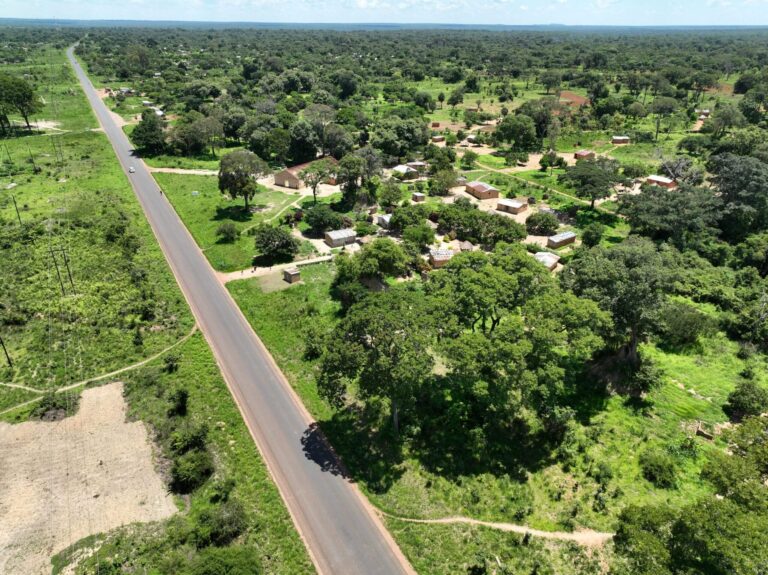
The scope of work includes the establishment of a comprehensive tolling system with supporting infrastructure, comprising three toll plazas and two weighbridges along the corridor. It also involves the replacement of the Lalafuta and Luena bridges in Kaoma District, the construction of social infrastructure along the route, and the development of 20 kilometres of urban roads in two districts. The Project will connect to the Mongu–Sesheke route, completing Zambia’s Western Corridor.
On 21 March 2018, The Sponsors entered a 10-year maintenance contract with the Road Development Agency (RDA) for the Kaoma–Kasempa road. This arrangement ensured that WCL trucks, along with other road users, could utilise the road in a maintained gravel state. WCL has invested over $8 million in maintaining the stretch to keep it in a usable condition, underscoring the strategic importance and operational value of the route even before its formal proposed upgrade under the current concession. In 2023, after assessing the corridor’s traffic potential, the Promoters resolved to upgrade the entire stretch to bituminous standard. Building on this decision, the Promoters submitted an unsolicited PPP proposal to the RDA on 16 February 2024. Following the evaluation, the RDA granted the Promoters preferred bidder status on 19 June 2024. This was followed by a 2–3-month period of intensive contract negotiations between the Project team and the relevant Government officials (the RDA), representatives from the Attorney General’s Office, representatives from the Ministry of Finance and National Planning, and the PPP Unit. To deliver the concession, the Promoters incorporated the Special Purpose Vehicle, Barotse on 10 July 2024. This was followed by the signing of the Concession Agreement with the Ministry of Finance and National Planning on 1 December 2024 in Kasempa. The Project is now advancing through road design and other preparatory works. The Project’s groundbreaking ceremony was on 31 October 2025 in Kasempa district of Northwestern Province.
Guided by clear principles and ambitious goals
To transform Zambia’s Western Corridor into a world-class transport artery that catalyzes regional trade, economic growth, and sustainable development—by delivering resilient infrastructure, fostering public-private partnerships, and empowering communities through inclusive, environmentally responsible, and economically viable road connectivity.
To design, build, finance, operate, and maintain the Mutanda–Kaoma Road under a robust Public–Private Partnership model, delivering high-quality infrastructure that enhances regional trade, supports Zambia’s economic diversification, and improves mobility, safety, and livelihoods for communities along the Western Corridor—while upholding environmental sustainability, social equity, and international best practices.
The purpose of Western Corridor is to deliver the Mutanda–Kaoma Toll Road under a 25-year Public–Private Partnership (PPP) concession through a dedicated Special Purpose Vehicle (SPV) established to execute the full lifecycle of the Project, design, build, finance, operate, maintain, and transfer. Western Corridor’s purpose is to serve as the legal and operational entity responsible for mobilizing capital, managing construction and operations, ensuring compliance with environmental and social standards, and coordinating stakeholder engagement. Through this structure, the Project aims to unlock regional trade, enhance Zambia’s infrastructure, and promote inclusive, sustainable development across the Western Corridor.
We are committed to delivering the Western Corridor Project as a transformative infrastructure initiative that strengthens Zambia’s regional connectivity, economic resilience, and social equity. Through Western Corridor our dedicated Special Purpose Vehicle.
Our commitment is to not only construct a road, but to create a corridor of opportunity, sustainability, and shared prosperity for Zambia and the region.
Guiding principles that drive our commitment to delivering transformative infrastructure while creating lasting value for Zambia and the region.
Commitment to environmentally responsible infrastructure development, aligned with IFC Performance Standards and Zambia's Environmental Management Act.
Ensuring fair resettlement, livelihood restoration, and meaningful stakeholder engagement, with special attention to vulnerable groups including women, youth, and informal land users.
Upholding clear governance, financial integrity, and public reporting mechanisms throughout the concession lifecycle.
Leveraging modern tolling systems, weigh-in-motion technology, and smart project management tools to deliver high-quality infrastructure and services.
Promoting local content, employment, and capacity building through subcontracting to Zambian citizen contractors and suppliers.
Designing infrastructure and financial models that respond to climate risks, traffic patterns, and evolving regional trade dynamics.
Prioritizing road safety, asset durability, and operational excellence to protect users and maintain service levels.
Supporting Zambia's role as a transport and logistics hub by connecting mining regions to key ports and trade corridors across SADC.
Experienced professionals driving the Western Corridor vision

Buk’s is an experienced entrepreneur with over 30 years of leadership in the logistics, transport, and agribusiness sectors. As the founder and CEO of BHL Zambia, he has grown the company from a small five-truck operation into a major transport enterprise with a fleet of 1000 trucks. Buks also co-founded Beefco Holdings Ltd, a 3000-hectare cattle ranch in Zambia, and Reinsberg Holdings AG, an offshore company in Liechtenstein. His business acumen extends across Africa and internationally, having successfully negotiated and operated contracts with organizations like the UN World Food Programme, Eskom, First Quantum Minerals, Glencore, and Trafigura Beheer AG. BHL Zambia’s fleet includes 110 side tipper link trailers, which operate in the Zambian Copperbelt, transporting approximately 60,000 tons of bulk ore product per month. Additionally, 210 flat deck trailers are deployed along the Zambia–Namibia corridor, servicing both the export and import markets. Besides its trucking assets, BHL also owns various yellow machinery used for road maintenance and available for customer rentals. The yellow fleet includes front-end loaders, road graders, water bowsers, and excavators, among others. Buk’s leadership has driven BHL Zambia to become one of the leading logistics companies in Southern Africa. His work in growing BHL Zambia, along with his founding of Beefco Holdings Ltd and Reinsberg Holdings AG, underscores his entrepreneurial spirit and strong business acumen.

Chris Dijkstra is a seasoned civil engineer and project management professional with extensive experience in large-scale infrastructure, mining, and public-private partnership (PPP) projects. Holding a B.Eng. in Civil Engineering from the University of Pretoria and a Construction Management Programme certificate from Stellenbosch University, Chris has been at the forefront of engineering and project leadership for over 15 years. He is a registered Professional Construction Manager with the South African Council for Project and Construction Management Professions and holds several professional engineering memberships, including with the South African Institute of Civil Engineers and the Engineering Institute of Zambia. Throughout his career, Chris has held key positions in prominent companies such as WBHO, Edwin Construction, and Raubex Construction. He has managed a wide array of projects across Southern Africa, including the Musina Ring Road, the Beitbridge Border Post Upgrade, and large-scale infrastructure projects in Zambia. His expertise spans contract management, civil project engineering, and managing joint ventures on significant engineering projects, such as the Lamu to Isiolo PPP project in Kenya. Chris also co-founded Hotsheet, where he applies his deep understanding of cloud-based, real-time construction project management systems like Smartsheet. His implementation of these systems for projects like the Beitbridge Border Post project has enhanced efficiency and oversight in large-scale construction environments.
Total Stretch
Toll Gates
Start of Early Works
Target Completion
Urban Roads Planned