The Mutanda–Kaoma Road Project traces its origins to 21 March 2018, when Buks Haulage Limited (BHL) entered a ten-year maintenance contract with the Road Development Agency (RDA) for the Kaoma–Kasempa road. Over USD 8 million was invested to keep the gravel route usable, highlighting its strategic importance even before the formal concession.
After assessing the corridor’s traffic potential, the Promoters resolved in 2023 to upgrade the entire 371 km stretch to bituminous standard. An unsolicited PPP proposal was submitted on 16 February 2024 and preferred-bidder status was granted on 19 June 2024.
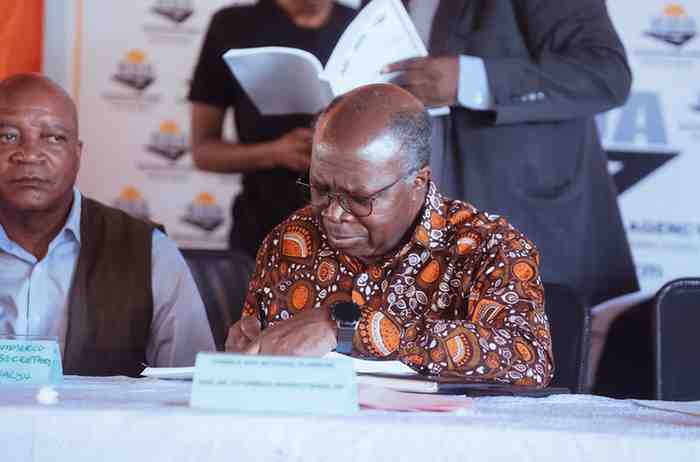
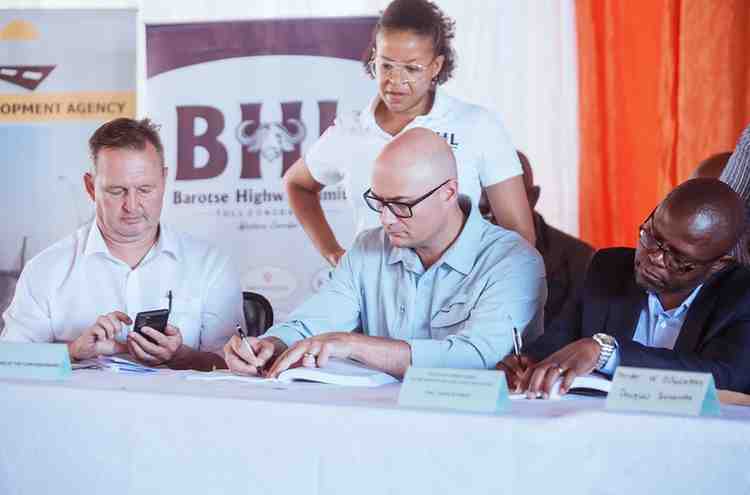
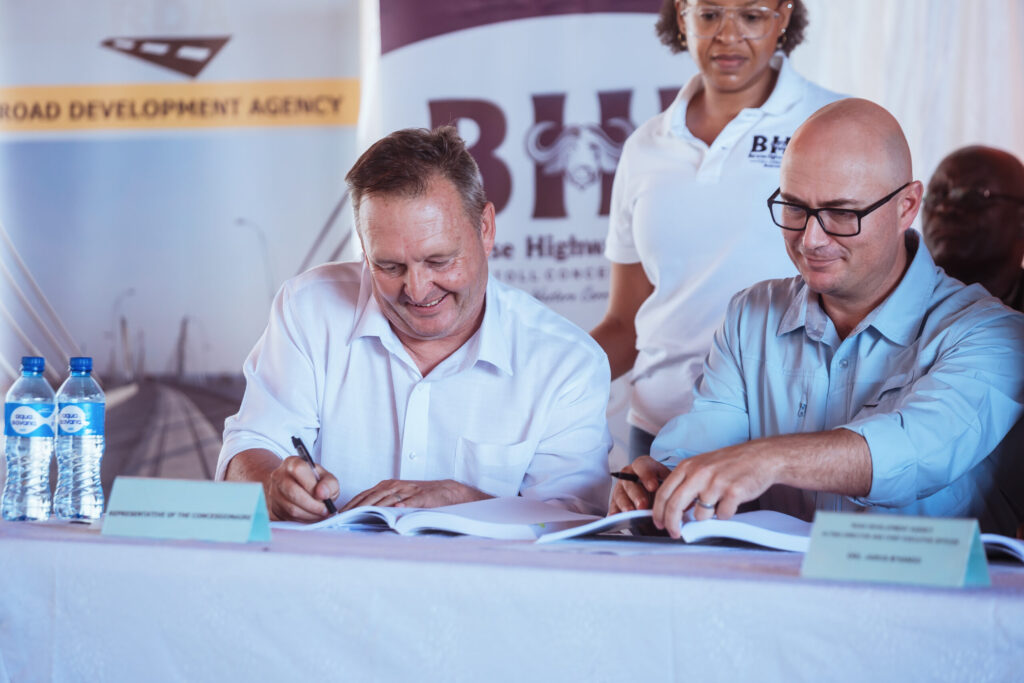
To deliver the concession, the Special Purpose Vehicle Western Corridor Limited (WCL) was incorporated on 10 July 2024, followed by the signing of the Concession Agreement with the Ministry of Finance and National Planning on 1 December 2024 in Kasempa. The project is now advancing through road-design and preparatory works, with Financial Close targeted for the end of 2025.
Witness the transformation of Zambia’s infrastructure through our construction journey
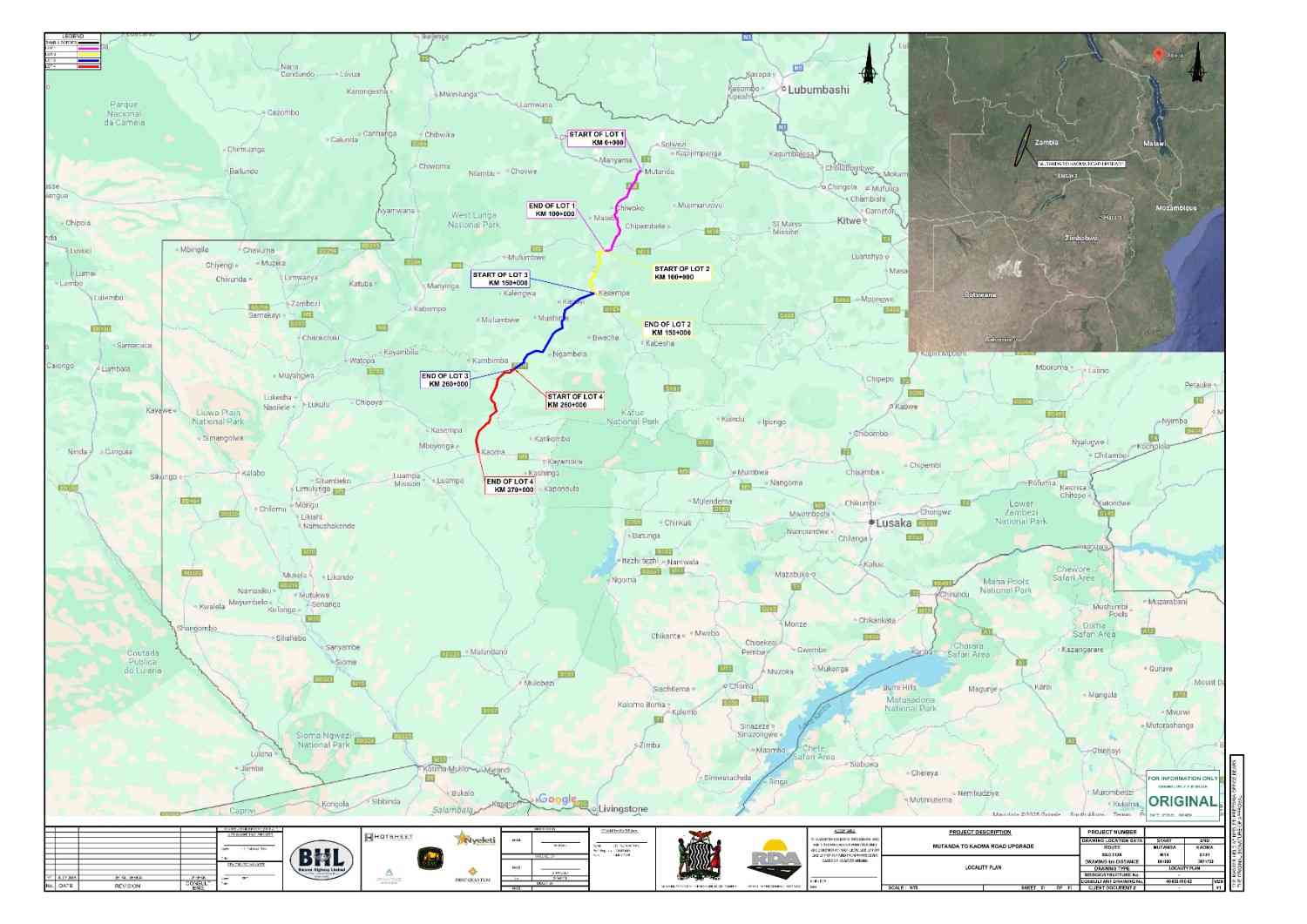
Regional Connectivity Map
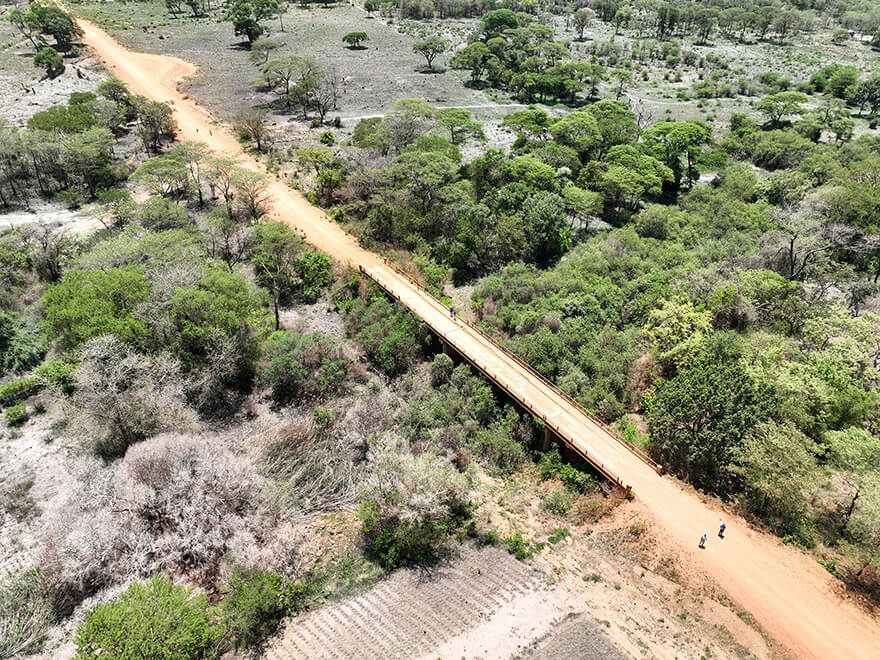
Infrastructure Development
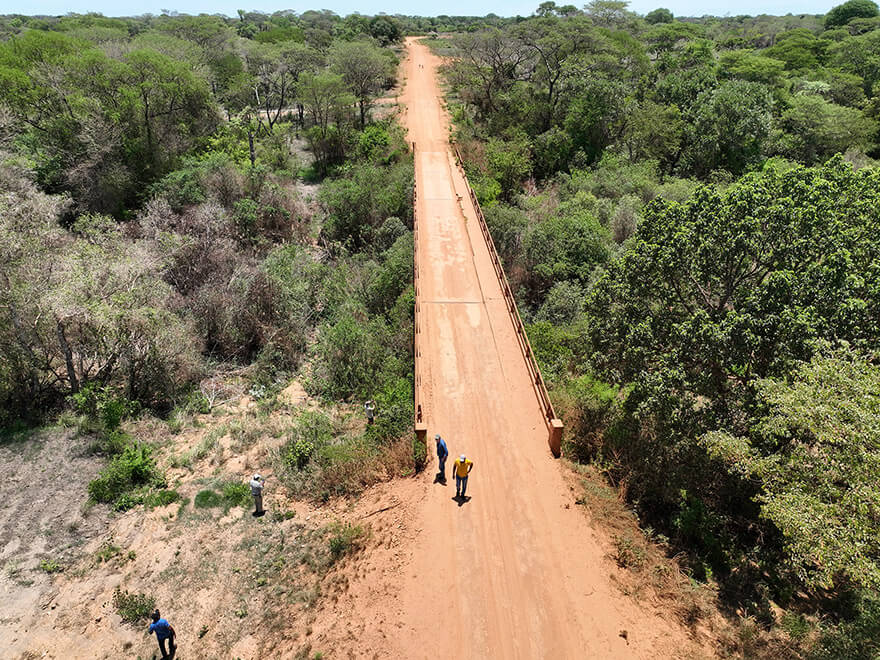
Road Construction Progress
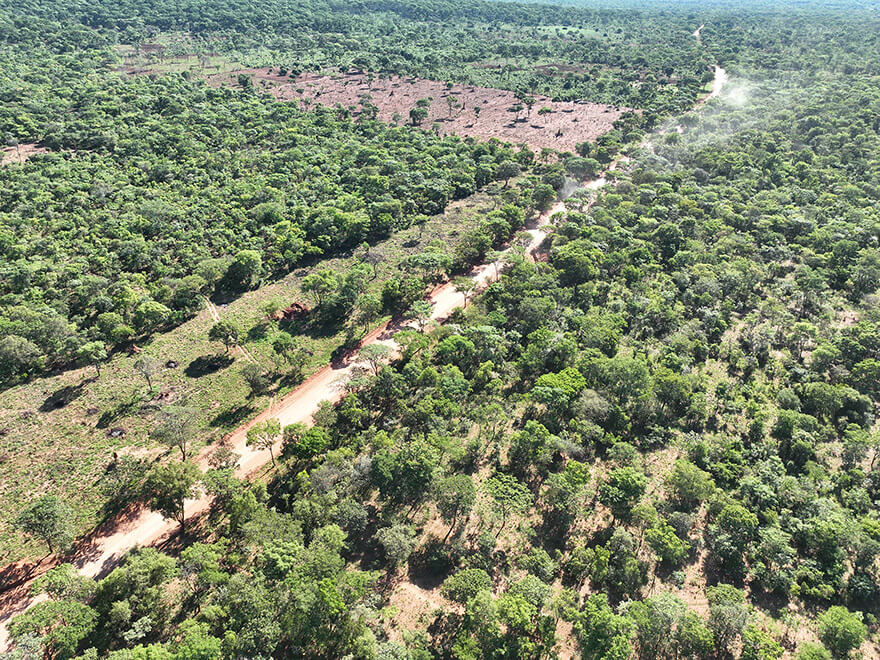
Project Overview
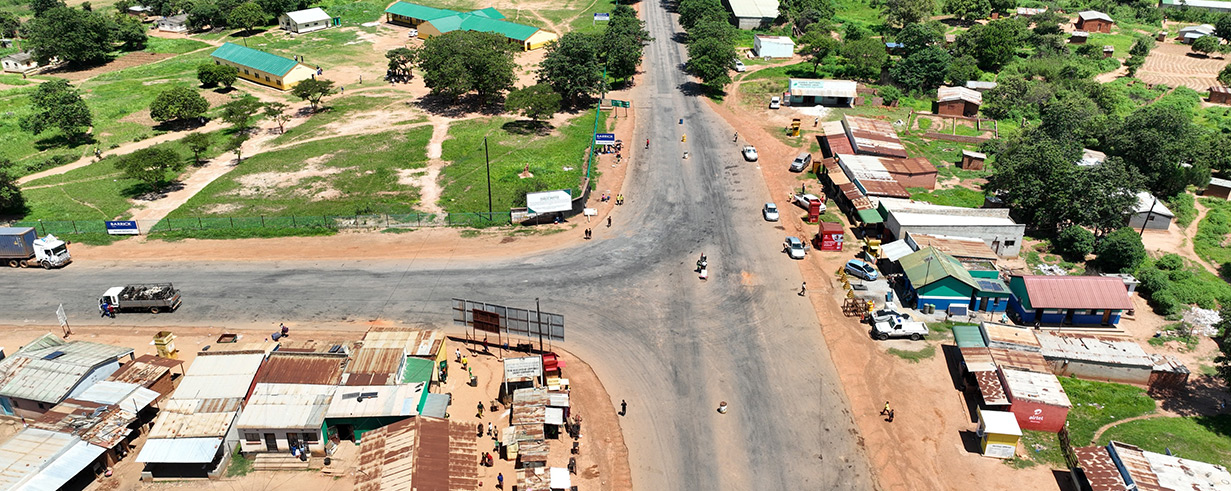
Two major sections connecting vital economic corridors

150 kilometres
Mutanda to Kasempa

221 kilometres
Kasempa to Kaoma

Wide travel lanes
Surfaced shoulders
Gravel shoulders
Bidirectional single carriageway
Construction of three toll plazas and two weighbridges
Upgrading/replacement of key bridges, including Lalafuta and Luena bridges
Construction of social infrastructure along the route
Development of 20 kilometres of urban roads in two districts

The project has developed a Resettlement Policy Framework (RPF)to guide implementation of the BEL-TC Resettlement Policy. It defines principles, procedures, and institutional responsibilities for preparing Resettlement Action Plans (RAPs) and Livelihood Restoration Plans whenever land acquisition or displacement occurs.
Leading organizations driving the success of this transformative infrastructure project
Northwestern Province, Zambia
FQML is a prominent entity in Zambia’s mining sector, actively engaged in the production of copper, cobalt, and gold through significant projects concentrated in the Northwestern Province, aligning with the Project region.
Expertise: Mining operations with significant equity injection and traffic guarantee
BHL Zambia Limited is a professional logistics service provider specializing in the transport of various commodities with value-added services and facilities. The company boasts an experienced, well-trained, and professional management team, establishing itself as one of Zambia’s most successful logistics businesses over the years.
Expertise: Mining to general cargo logistics with specialist expertise in goods movement
Our commitment to excellence ensures world-class infrastructure that meets the highest international standards.
The Project Highway will be upgraded to international bituminous standards. The road rehabilitation and construction will be executed in two primary sections: Mutanda to Kasempa (150 km) and Kasempa to Kaoma (221 km). The Project’s key components include the construction of three toll plazas, two weighbridges, and the upgrading of key bridges such as the Lalafuta and Chilombo Bridges. The road design will feature a bidirectional single carriageway with 3.5-meter-wide travel lanes, 2-meter surfaced shoulders and 0.3-meter gravel shoulders.
The Mutanda–Kaoma Road Project is being implemented under a rigorous Environmental and Social Impact Assessment (ESIA) process, in compliance with Zambian and international PPP standards. The assessment ensures that project development aligns with sustainable environmental management, social equity, and economic growth objectives.
DH Engineering Consultants serve as the Project’s ESG advisors, responsible for conducting the ESIA, ensuring ZEMA compliance, and overseeing land acquisition, geotechnical investigations, and other environmental and social safeguards.
The ESIA process identifies potential environmental and community impacts along the 371-kilometre corridor, focusing on issues such as vegetation disturbance, soil erosion, waste management, water-course protection, and noise control. Mitigation measures are being incorporated into the project design to minimize these impacts and promote long-term ecological resilience.
On the social side, the Project integrates a Resettlement Policy Framework (RPF) that guides fair and transparent compensation, livelihood restoration, and stakeholder engagement for affected communities in the Kalumbila, Kasempa, Mufumbwe, and Kaoma Districts. The framework ensures that affected persons are consulted, compensated at full replacement cost, and supported in improving their living conditions post-relocation.
By embedding environmental, social, and governance (ESG) principles throughout the project cycle—from design to construction and operation— the Western Corridor Limited SPV is committed to ensuring that the Mutanda–Kaoma Road becomes a model for sustainable infrastructure development in Zambia and the wider SADC region.